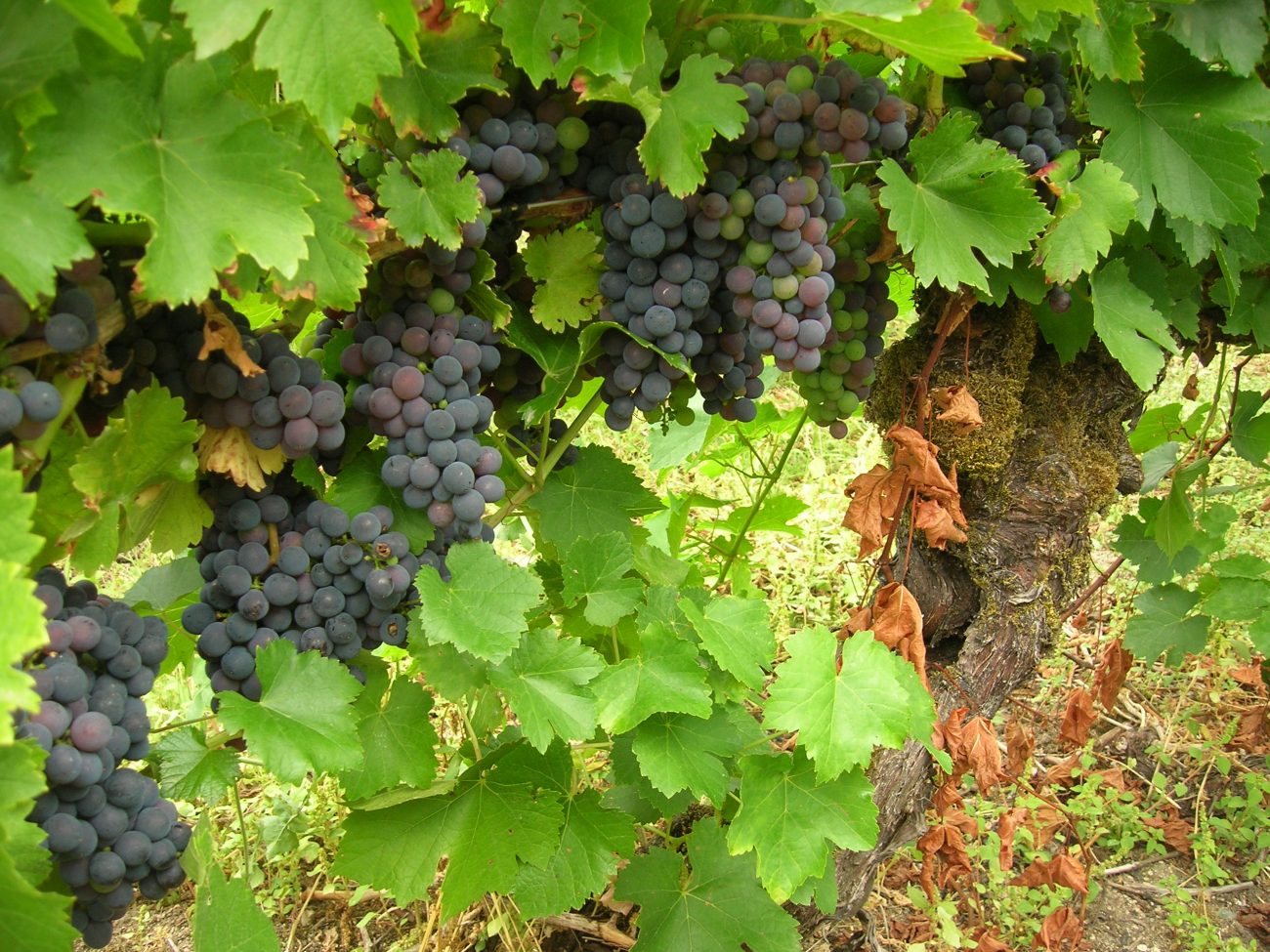
For much of the 20th century, the story of Spanish red wine was overwhelmingly dominated by one region and one grape: Rioja and its noble Tempranillo. Yet, tucked away in the green, precipitous hills of northwestern Spain, a quiet revolution was brewing. In the remote and historically overlooked regions of Bierzo and Ribeira Sacra, a native grape called Mencía was waiting for its moment. Once dismissed as a rustic variety destined for simple, light-bodied local wines, Mencía has undergone a dramatic reappraisal over the past two decades, emerging as one of Spain’s most exciting and terroir-expressive grapes. Its ascent is a story of rediscovery, ambition, and the profound influence of a few visionary winemakers.
The heartland of Mencía is Bierzo, a region in the province of León where the climate marks a transition from the hot, arid plains of Castilla y León to the cool, maritime influence of Galicia. The key to Bierzo’s potential lies in its old vines, many of them over a century old, planted on steep slopes of slate and schist soils. For generations, these vineyards were farmed by families who produced wine for their own consumption. The wines were often pale, acidic, and meant to be drunk young. The perception of Mencía was that of a grape incapable of producing wines with structure or longevity.
This began to change in the late 1990s with the arrival of a new generation of winemakers, most notably Álvaro Palacios, a superstar from Priorat, and his nephew Ricardo Pérez. They saw in Bierzo’s old-vine heritage and unique slate soils an unrecognized potential for greatness. Under their Descendientes de J. Palacios project, they began farming biodynamically and applying meticulous, quality-focused winemaking techniques to Mencía. They treated it not as a simple country grape, but as a noble variety capable of transmitting the nuances of its site, much like Pinot Noir in Burgundy. Their wines, particularly from single vineyards like “Corullón,” were a revelation. They displayed a depth of flavor, aromatic complexity, and structural elegance that shattered all previous notions about the grape.
Inspired by this success, other producers in Bierzo, such as Raúl Pérez and Dominio de Tares, began to explore the full potential of Mencía. They discovered that when yields are kept low and the grapes are handled gently, Mencía produces wines that are intensely aromatic, with notes of redcurrant, blackberry, violets, and a distinctive spicy, peppery character. On the palate, they combine vibrant fruit with a savory, mineral core and fine-grained tannins. The best examples are medium-bodied with bright acidity, making them incredibly versatile with food. The comparisons started flowing: some saw a kinship with the Cabernet Franc of the Loire Valley for its herbal and peppery notes; others likened its floral elegance and structure to Cru Beaujolais or even Northern Rhône Syrah.
Just to the west of Bierzo lies Ribeira Sacra in Galicia, a region of breathtaking beauty characterized by ancient terraces cut into impossibly steep canyons along the Sil and Miño rivers. Here, viticulture is nothing short of heroic. The slate slopes are so steep that all vineyard work must be done by hand. In this cooler, wetter climate, Mencía takes on an even more delicate and ethereal character. The wines are typically lighter in body, lower in alcohol, and driven by a piercing minerality and high-toned aromatics of sour cherry, pomegranate, and crushed flowers. Producers like Guímaro and Dominio do Bibei are crafting wines of stunning purity and transparency that speak of this unique, challenging landscape.
The rediscovery of Mencía is part of a broader movement in Spain away from powerful, oak-driven wines towards fresher, more elegant styles that prioritize terroir expression. Genetic studies have also added to the grape’s intrigue, revealing it to be identical to Portugal’s Jaen grape and debunking a long-held theory that it was related to Cabernet Franc.
Today, Mencía is no longer an obscurity. It is a fixture on the wine lists of top restaurants around the world and a favorite among sommeliers and wine lovers seeking authenticity and a sense of place. Its story is a powerful reminder that a grape’s reputation is not fixed. With the right combination of old-vine heritage, exceptional terroir, and passionate, skillful winemaking, a forgotten grape can be reborn, claiming its rightful place among the world’s most compelling varieties. The rise of Mencía is not just about the revival of a grape; it is about the revival of entire regions, bringing pride and economic vitality back to communities that have cultivated these slopes for centuries.
