The narrative of American wine, for much of its modern history, has been a story of looking across the Atlantic. The pioneers of Napa and Sonoma built their reputations by mastering noble European varieties—Cabernet Sauvignon, Chardonnay, Pinot Noir—proving that the New World could compete with, and even surpass, the Old. This focus on European benchmarks was a crucial step in establishing credibility, but it inadvertently overshadowed a deeper, more complex, and uniquely American viticultural history. Today, a new generation of winemakers, much like their European counterparts, are turning their gaze inward and backward. They are the vineyard archaeologists of the USA, rediscovering forgotten grapes, rehabilitating maligned varieties, and piecing together a more authentic American wine identity from the living relics of the past.
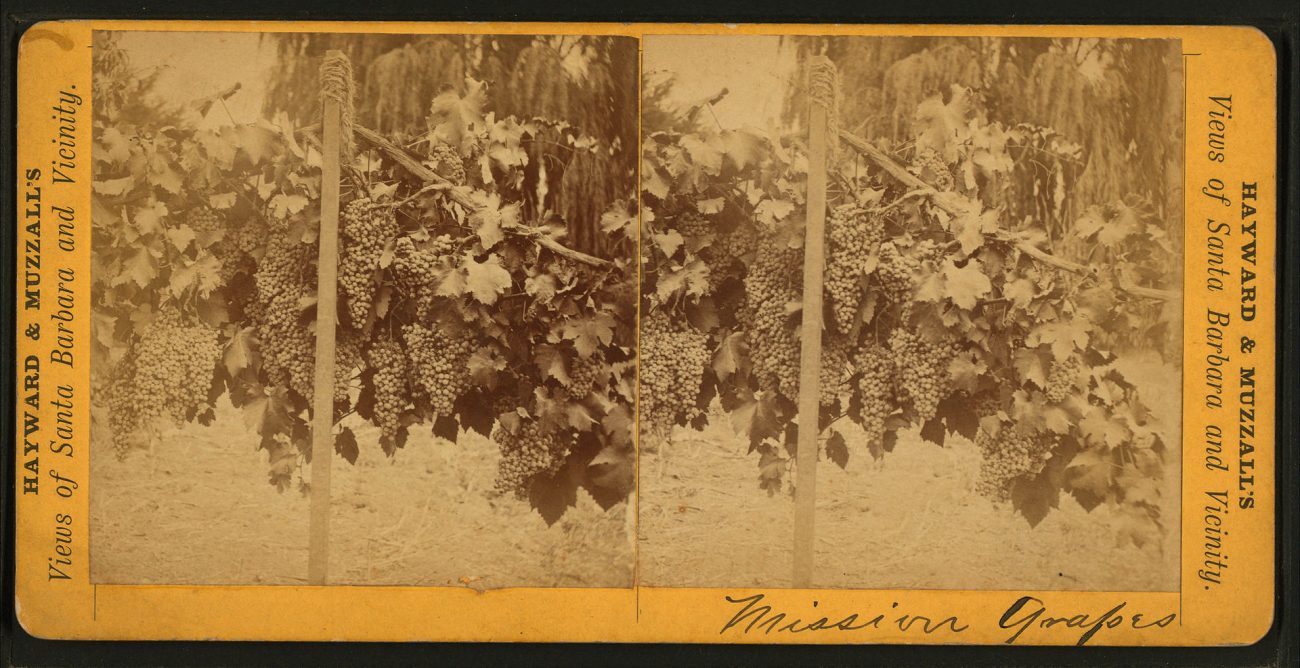
This archaeological dig often begins in California, with a grape that is both the oldest and, until recently, the most disrespected: the Mission grape. Known as Listán Prieto in its Spanish homeland and País in Chile, this was the first Vitis vinifera grape planted in North America, brought by Franciscan missionaries in the 18th century to produce sacramental wine. For over a century, it was the backbone of Californian viticulture. However, with the arrival of other European immigrants and their preferred varieties, Mission was quickly relegated to the shadows, dismissed as a producer of pale, simple, and rustic wines. Yet, remarkably, gnarled, dry-farmed Mission vines, some over 150 years old, survived in the forgotten corners of the state. Today, winemakers are seeking out these ancient vineyards, treating them not as historical curiosities but as treasures. Producers like Dirty & Rowdy Family Wines and Pax Mahle are using techniques like carbonic maceration to create vibrant, ethereal, and utterly compelling light red wines from Mission that are a world away from the grape’s historical reputation. By rescuing these old vines, they are not just making a new style of wine; they are rewriting the first chapter of California’s wine story.
While California’s history is rooted in vinifera, the story on the East Coast and in the Midwest is one of adaptation and resilience. Here, the harsh winters and native diseases made it nearly impossible for European vines to survive. The region’s viticultural identity was built on native American species like Concord and Catawba, and later, on the French-American hybrids specifically bred to withstand the challenging climate. Grapes like Seyval Blanc, Vidal Blanc, Baco Noir, and Chambourcin became the workhorses of vineyards from Vermont to Missouri. For decades, these grapes carried a stigma, associated with the “foxy” aromas of native grapes and considered inferior to their pure vinifera cousins. But a new wave of winemakers is now embracing this hybrid heritage. In the Hudson Valley and the Finger Lakes of New York, producers are using meticulous farming and thoughtful winemaking to prove that hybrids can produce serious, complex, and delicious wines. They are crafting crisp, mineral-driven sparkling wines from Seyval Blanc and age-worthy, structured reds from Baco Noir, treating these grapes with the respect they were long denied. This is a different kind of archaeology—one that rescues not a forgotten grape, but a forgotten reputation.
The most direct form of American vineyard archaeology, however, is taking place in California’s “heritage” vineyards. These are living museums, often planted over a century ago by Italian, Portuguese, and other European immigrants. Instead of planting a single variety, they planted what are known as field blends, a chaotic and beautiful mix of dozens of different grapes, many of which are now vanishingly rare. A single vineyard might contain Zinfandel alongside Trousseau, Peloursin, Negrette, and dozens of other obscure varieties. For decades, these vineyards were simply harvested together and blended into anonymous jug wine.
Now, winemakers like Morgan Twain-Peterson of Bedrock Wine Co. and Tegan Passalacqua of Turley Wine Cellars have made it their life’s work to preserve these sites. They are not just winemakers; they are historians, genetic conservationists, and tireless advocates for America’s viticultural patrimony. They map these old vineyards, identify the rare varieties through DNA testing, and often vinify them separately to understand their unique character. By purchasing fruit from these old, low-yielding sites, they are making it economically viable for farmers to keep them in the ground, saving them from being ripped out and replanted with more fashionable (and profitable) grapes. The wines they produce from these heritage sites are some of the most complex and soulful in America, a liquid testament to the waves of immigration that built the country.
This American revival is driven by the same forces seen in Europe: a search for authenticity, a desire for a wine identity that is uniquely American, and the practical need for grape varieties that are better suited to a changing climate. The drought-resistant Mission grape and the disease-resistant hybrids are suddenly looking less like historical footnotes and more like a roadmap to the future. These vineyard archaeologists are not rejecting the legacy of Cabernet and Chardonnay, but they are enriching it, creating a more complete and nuanced picture of American wine. They are proving that the nation’s greatest wine treasures may not be the ones imported from Europe, but the ones that have been patiently waiting, right here at home, to be rediscovered.
