When we picture a winery, our minds conjure images of rolling hills, sun-drenched vineyards stretching to the horizon, and a rustic stone cellar. It is a bucolic, agricultural ideal, deeply rooted in the countryside. But in some of the world’s most densely populated cities, a new and exciting model is taking hold. From a rooftop in Brooklyn to a converted warehouse in London and an industrial park in Hong Kong, urban wineries are challenging our most basic assumptions about where wine can and should be made. These are wineries without vineyards, sourcing grapes from nearby (and sometimes faraway) regions and bringing the entire winemaking process—from crushing and fermentation to aging and bottling—into the heart of the concrete jungle.
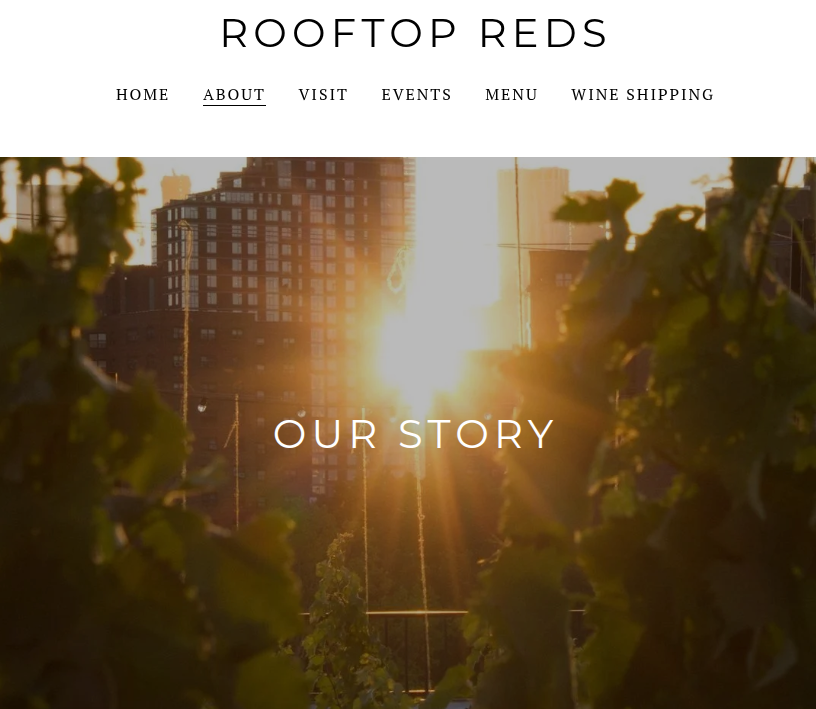
New York City has emerged as a vibrant hub for this movement. Rooftop Reds, located in the Brooklyn Navy Yard, has taken the concept to its logical and literal extreme. Using a proprietary urban planter system, they have established the world’s first commercially viable rooftop vineyard, growing Bordeaux varieties against the stunning backdrop of the Manhattan skyline. While the rooftop vineyard is a powerful symbol, the bulk of their production, like most urban wineries, relies on sourcing high-quality grapes from established agricultural areas, in their case New York’s Finger Lakes and North Fork regions. Wineries like Red Hook Winery and City Winery also follow this model, bringing the harvest to the city and offering residents an unprecedented connection to the winemaking process. New Yorkers can now join a harvest club, help crush grapes, and taste wine directly from the barrel, all within a subway ride of their apartment.
London, another city far removed from any traditional wine region, has also embraced urban winemaking. London Cru, founded in 2013 in a former gin distillery, was the city’s first modern winery. Their model is ambitious: they source grapes not just from English vineyards, but from across Europe, trucking in pristine fruit from places like Limoux in France, Calatayud in Spain, and Piedmont in Italy. This allows them to produce a diverse portfolio of wines, from Albariño to Barbera, all vinified under one roof in West London. It’s a testament to modern logistics and a belief that the “terroir” of a winery can be about the energy and creativity of the city as much as the soil the grapes were grown in.
The phenomenon is global. In Paris, the city is rediscovering its own winemaking past. While the small vineyard in Montmartre is mostly ceremonial, new projects are emerging, bringing the spirit of the vigneron back to the capital. In cities like Adelaide and San Francisco, which are close to world-class wine regions, urban wineries serve as “tasting rooms” for the countryside, allowing visitors to experience the wines of the Barossa or Sonoma without leaving the city limits. Even in Hong Kong, one of the densest urban environments on earth, The 8th Estate Winery imports frozen grapes from around the world to produce wine in its industrial facility.
Operating a winery in a city presents a unique set of challenges. Real estate is expensive, space is at a premium, and the logistics of transporting tons of fresh grapes through city traffic can be a nightmare. There are also the challenges of perception—convincing consumers that a great wine can be made next to a warehouse or under a bridge.
However, the advantages are compelling. Urban wineries have a direct connection to a massive, built-in market of curious and engaged consumers. They can sell directly, bypassing the traditional three-tier system, and build a loyal community through events, tastings, and educational programs. They demystify the winemaking process, making it accessible and transparent. For the city-dwelling wine lover, the appeal is undeniable: the ability to see, smell, and taste the transformation from grape to glass, to talk to the winemaker, and to drink a wine that was, in a very real sense, made in their own neighborhood.
These urban wineries are the ultimate embodiment of the “other.” They are wineries defined not by their pastoral landscape, but by their urban context. They are a fusion of agriculture and industry, tradition and innovation, proving that a connection to the land doesn’t require you to leave the city. They are crafting a new kind of terroir—one made of steel, concrete, and the vibrant energy of the metropolis.
