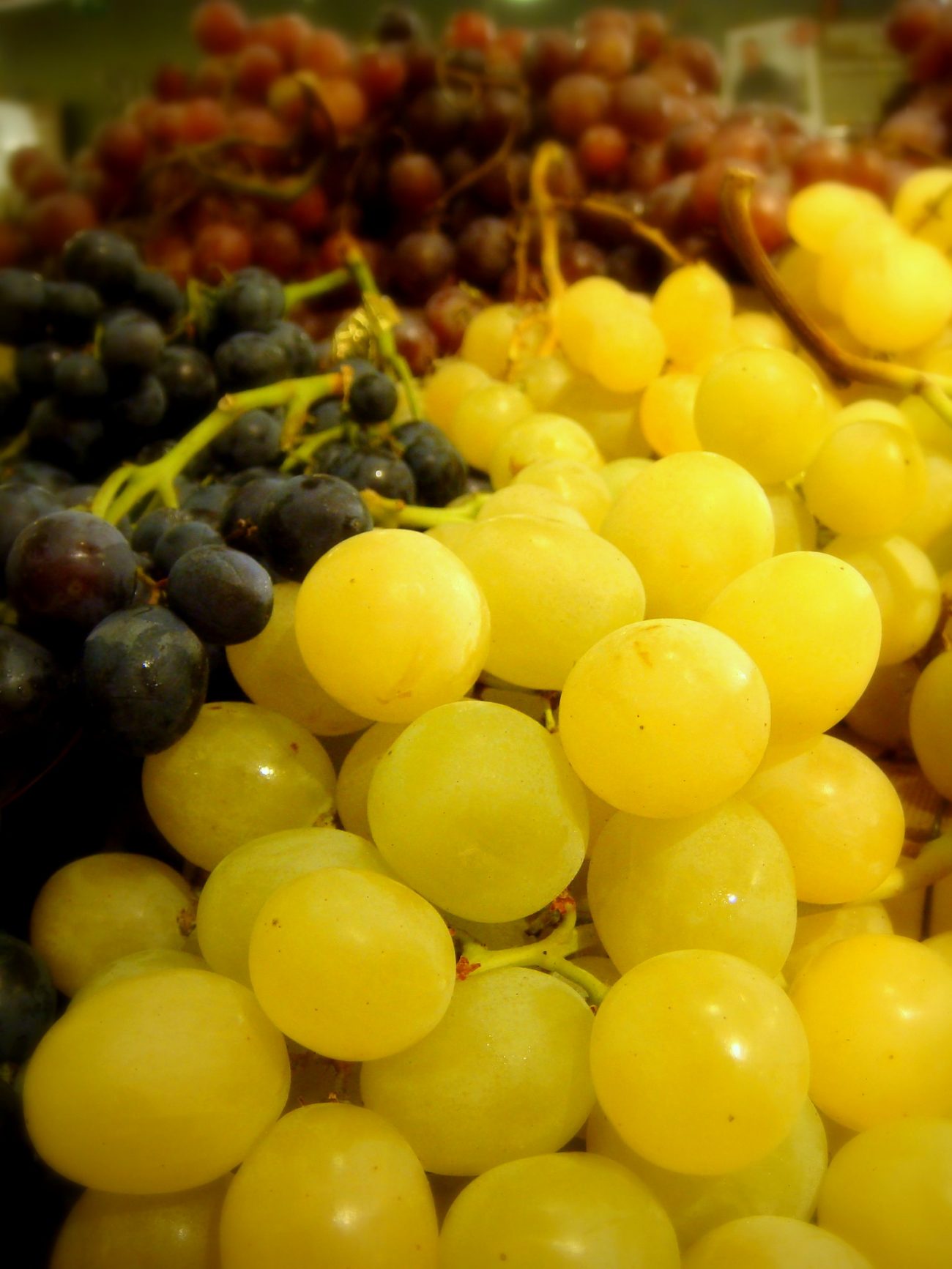
Wine history is replete with forgotten traditions rediscovered by adventurous producers. One of the most captivating revivals of the last decade is the resurgence of orange wines, also known as skin‑contact whites or amber wines. These wines are made by fermenting white grapes with their skins and often stems and seeds, imparting colour, tannin and texture more typical of red wines. The result can be amber to copper in hue, with complex flavours that range from nutty and oxidative to fresh and aromatic.
In conventional white winemaking, juice is pressed off the skins quickly to avoid extracting tannins or phenolics. Orange wine flips this script. When white grapes like Pinot Grigio, Grüner Veltliner or Viognier spend time aging on their skins, they develop different personalities. Skin contact lends body and structure, allowing these wines to be served at a range of temperatures — chilled, cellar cool or even room temperature. This versatility invites creative food pairings and challenges preconceived notions of how white wines should behave.
The style’s roots run deep. In Georgia, considered the world’s oldest winemaking region with 8 000 years of history, winemakers ferment and sometimes age wines in large, buried clay vessels called qvevri. In qvevri, grapes are thrown in with skins, seeds, stems and all; the wine gains savoury flavours, slight oxidation and firm tannins. Whites become amber, giving rise to the term “amber wine”. This method continued for millennia and remained common in parts of eastern Europe. Georgian wines first introduced to the U.S. in the early 2000s influenced the rise of the natural wine movement and orange wine culture. The qvevri tradition, now recognised by UNESCO, underscores that “innovation” can mean looking back.
Central to this revival is Rkatsiteli, Georgia’s most planted grape. Its name, meaning “red horn,” refers to the reddish stems that make it well-suited for qvevri fermentation. Rkatsiteli’s ability to ripen stems means they don’t impart green or harsh aromas, even when included in the fermenter. Master of Wine Christy Canterbury notes that Rkatsiteli is both productive and high-quality; like Chardonnay, it is malleable and can be vinified in stainless steel, qvevri or barrel. In stainless steel, it yields wines with citrus and green apple flavours; in qvevri or barrel, it can produce dried apricot, peach and pear notes. Its versatility makes it a cornerstone of Georgia’s amber wine heritage and a reference for modern producers seeking to emulate those styles.
Beyond Georgia, orange wines have deep roots in Friuli-Venezia Giulia in northeastern Italy and across the border in Slovenia. Producers like Gravner and Radikon revived skin-contact methods in the 1990s, aging white wines in wooden vats and amphorae. They eschewed technology like temperature-controlled fermentation in favour of lengthy macerations. Their amber-coloured wines were initially met with scepticism but slowly gained a cult following. Today, many Italian and Slovenian winemakers craft skin-contact wines from varieties such as Ribolla Gialla, Friulano, Malvasia Istriana and Vitovska.
The movement has spread globally. In the United States, orange wine has shifted from curiosity to mainstream. “The U.S. is only now showing that this hue has become a standard in our drinking culture,” writes VinePair. Some American producers channel ancient techniques by planting Ribolla Gialla and fermenting in amphorae. Others experiment with different grape varieties and maceration lengths. For example, California’s Tinto Amorio co-ferments Gewürztraminer and Zinfandel with 22 days of skin contact, producing a wild blend of grapefruit, orange peel, lychee and ginger. Such innovation highlights how orange wine intersects with natural wine principles — minimal intervention, spontaneous fermentation and low sulphur.
Why are orange wines captivating wine enthusiasts? Part of the allure lies in sensory novelty. Skin contact gives white wines tannins and texture rarely seen outside red wines. Aromas can range from dried fruit and tea leaves to citrus zest and spices. Serving temperatures vary, offering different expressions of the same wine. Moreover, orange wines blur conventional wine categories; they often pair well with complex or spicy foods that challenge typical whites.
Another factor is the broader natural wine movement. Consumers seeking authenticity and sustainability gravitate towards wines made with low manipulation. Skin-contact whites embody this ethos, as many are fermented with native yeasts, minimal sulphur and no filtration. Their amber hue signals difference and invites conversation — a metaphorical handshake between old and new.
Critics sometimes dismiss orange wines as a fad or accuse producers of masking flaws with oxidative or funky flavours. Indeed, poorly made skin‑contact wines can be coarse, excessively bitter or dominated by volatile aromas. Yet when crafted with care, they can be remarkably balanced and ageworthy. The key lies in matching grape variety, skin thickness, ripeness and maceration length. For example, thin-skinned Pinot Grigio may need shorter maceration than thick‑skinned Ribolla Gialla. Winemakers must also manage oxygen exposure to avoid unwanted oxidation.
The rising popularity of orange wines reflects a shift in consumer openness. Drinkers are willing to explore unfamiliar categories, whether that means trying Pet‑Nat sparkling wines, co‑ferments or orange wines. Restaurants and wine bars increasingly include skin‑contact options by the glass, demystifying them for newcomers. Educational tastings and social media amplify the buzz, while trade publications compile lists of top orange wines, demonstrating the category’s maturation.
The amber revolution has also spurred discussions about terminology. Some argue that “orange wine” suggests the presence of oranges or fruit infusions, leading to confusion. Others prefer “skin‑contact white,” “amber wine” or, in Georgia, “qvevri wine.” Whatever the term, the style encourages dialogue about winemaking practices and the diversity of expression within wine.
In a world where climate change and market pressures challenge winemakers to adapt and differentiate, the renaissance of orange wines offers inspiration. It shows that historical methods can speak to modern tastes, that lesser‑known grapes can find new audiences, and that the boundaries of wine categories are fluid. For enthusiasts seeking wines that embody both tradition and experimentation, orange wines represent a bridge between past and future — a liquid testimony to the creativity of the vine.
